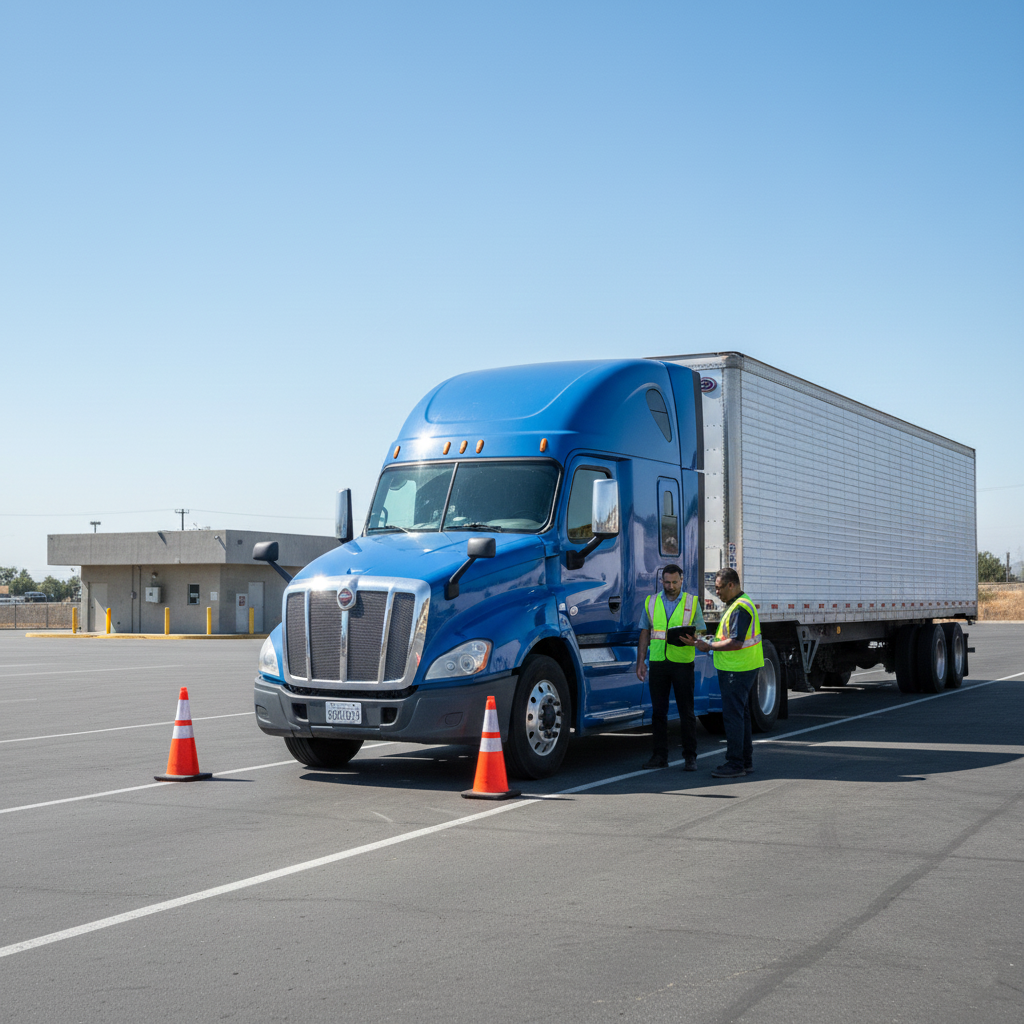
How you can stay in compliance and stay on the road.
With the Department of Transportation's recent efforts to regulate the trucking industry, Out-of-Service orders have consequently increased. While a lot of these new orders are related to English language proficiency, there are several ways a driver or their vehicle may receive an out-of-service order.
Out-of-Service Explained
An Out-of-Service (OOS) order is a ruling given by an inspecting official that disqualifies a commercial driver or commercial vehicle from legally operating on a public road. Depending on the reason, the order may be lifted after correcting the issues or it may be permanent.
Keeping a driver or vehicle in operation after an OOS is illegal and can result in fines and penalties up to and including the revocation of a motor carrier's operating authority.
Having a driver or vehicle ordered out-of-service can add further expenses such as transportation to an appropriate repair site.
Reasons For an Out-of-Service Order
An inspecting agent can give an OOS order if they find the driver or vehicle in violation of the FMCSA's legal requirements to operate a vehicle. Below are just a few violations that might result in an OOS order.
A driver can receive an Out-of-Service order for:
- Failing to read and speak English proficiently
- Driving for longer than allowed, or failing to accurately record time driven
- Driving while under the influence of alcohol or another controlled substance
A vehicle can receive an Out-of-Service order for:
- Having defects or deficiencies with one or more vital parts (brakes, lights, tires)
- Lacking records of inspections or maintenance
- Exceeding size or weight limitations, or improper loading
How to prevent an Out-of-Service Order
Out-of-Service orders are inconvenient and may seem difficult to navigate, but there are steps you can take to protect yourself and stay on the road. Some of the best ways to prevent Out-of-Service orders include consistent recordkeeping, driver training, and staying up to date with vehicle maintenance.
You can learn more about compliance and how to prepare for inspections by contacting our experts.